
Tips on How to Choose Between Trains, Buses & Domestic Flights
Deciding between rail, coach, or air travel requires more than comparing prices. Discover how convenience, journey length, and practical considerations affect your domestic travel plans.
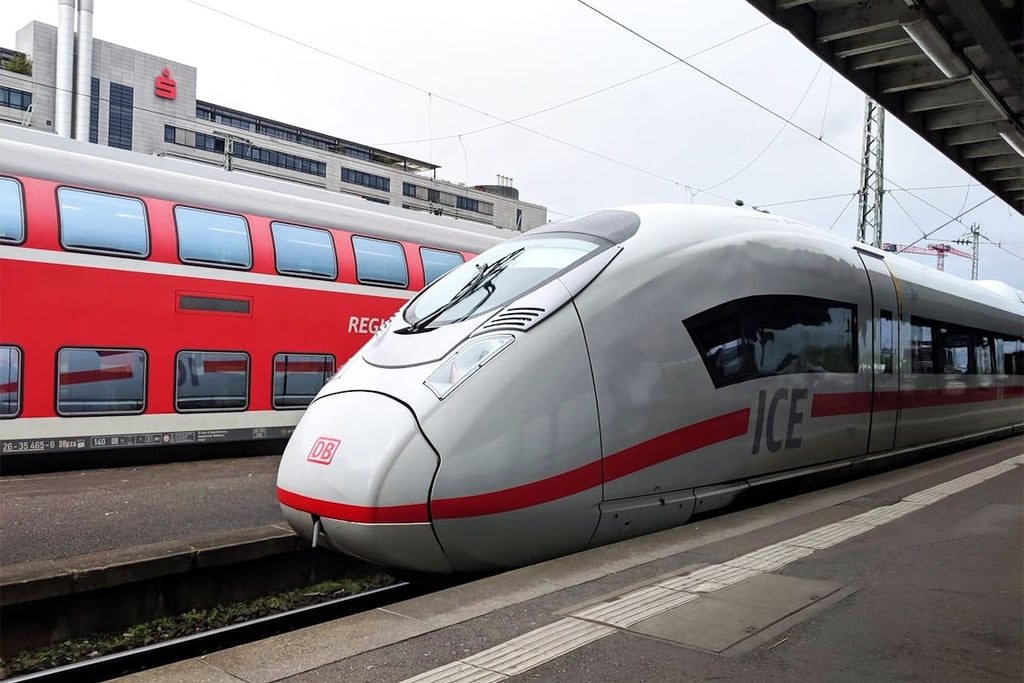
Weighing Up Your Travel Options
Choosing between trains, buses, and domestic flights is not simply a matter of cost. Travellers often focus on ticket prices, but the real decision involves a wider set of factors: door‑to‑door travel time, waiting around at terminals, comfort during the journey, and how well each mode fits your itinerary. A journey that looks quick on paper can become slower once transfers, security checks, and waiting times are included. Thinking about the full travel experience helps you make a more balanced choice.
Advantages of Rail Travel
Rail travel offers a blend of comfort, convenience, and predictability that appeals to many travellers.
Comfortable environment with space to move around.
Minimal luggage restrictions compared with air travel.
Relaxing experience with no security queues or long check‑in times.
City‑centre to city‑centre routes reduce transfer times.
Sleeper trains can be enjoyable for longer journeys.
Disadvantages of Rail Travel
Rail travel also has limitations that may affect your plans.
Ticket prices can be higher during peak periods.
Delays or engineering works may disrupt schedules.
Limited availability on certain regional routes.
Not always the fastest option for long distances.
If you want to explore how different rail routes compare, our train travel overview provides a helpful starting point.
Advantages of Bus or Coach Travel
Bus and coach travel is often chosen for its affordability and simplicity.
One of the most cost‑effective transport options.
Minimal luggage restrictions compared with air travel.
Direct routes between towns and cities without complex transfers.
Frequent services on popular corridors.
Useful for travellers who prioritise budget over speed.
Disadvantages of Bus or Coach Travel
Despite its affordability, bus or coach travel has several drawbacks.
Journeys can feel slow, especially over long distances.
Limited opportunities to stretch your legs or move around.
Not ideal for travellers prone to motion sickness.
Local or non‑express services may stop frequently before reaching the destination.
Traffic conditions can affect arrival times.
You can explore different coach options through our bus and coach travel guide, which outlines how routes and timings vary.
Advantages of Domestic Air Travel
Domestic flights can be the quickest way to cover long distances, especially when airports are well‑located.
Fast travel times between major cities.
Useful when crossing large regions or islands.
Can offer good value during off‑peak periods.
Ideal when time is the main priority.
Disadvantages of Domestic Air Travel
Air travel also comes with practical challenges that can reduce its time advantage.
Waiting around at terminals can offset the speed of the flight itself.
Strict luggage restrictions may limit flexibility.
Airports are often located far from city centres.
Security checks and boarding procedures add extra time.
Weather conditions can cause delays or cancellations.
Practical Challenges Travellers Typically Have to Deal With
Travellers often face similar issues when choosing between trains, buses, and flights:
Balancing cost with comfort and convenience.
Estimating true door‑to‑door travel time.
Managing luggage restrictions across different modes.
Coordinating connections between terminals or stations.
Dealing with delays, cancellations, or traffic conditions.
Choosing between speed and budget when planning domestic trips.
Helpful Tips for Domestic Travel Plans
These practical tips can help you make more informed decisions when comparing transport options:
Consider the full journey time, including transfers and waiting periods.
Check whether city‑centre stations offer a faster overall route than airports.
Look at mid‑week travel dates for better availability.
Compare luggage allowances across transport modes.
Review the comfort level you need for longer journeys.
Check for engineering works or road closures before choosing your route.
Assess whether an overnight train or coach could save you daytime travel.
Think about how early you need to arrive for each mode of transport.
Use public transport connections to reduce transfer times.
Be realistic about delays during peak travel periods.
Travel Smarter on Domestic Routes
Choosing between trains, buses, and domestic flights becomes easier when you look beyond ticket prices and consider the full travel experience. By weighing comfort, timing, convenience, and luggage needs, you can select the mode of transport that best fits your journey and enjoy a smoother, more predictable trip.
Useful Links for Single‑Country Travel Planning
Written by Karl Drury
Founder and Director of Quick on the Net Limited, specialising in travel technology, comparison tools and user‑first digital experiences for 20+ years.


This website includes some links to advertisers we are affiliated with, and we may earn a commission—at no extra cost to you.
TravelComparison.site is part of the Travel Comparison Network, operated by Quick on the Net Limited, a UK registered TravelTech and global digital publishing company. © 2003–2026.